We think you're a bot, if not
please contact us
please contact us
info@LRLBuilders.Com

A well-planned room layout design makes your space both beautiful and easy to use. If you’re wondering how to design a room layout, the key is to balance style with function.
A functional room layout means arranging furniture and space to improve comfort, movement, and usability. To plan a room layout, measure your space, define the room’s purpose, create a floor plan, and arrange furniture to allow clear pathways and functional zones.

If you want to learn how to plan a room layout the right way, follow these simple steps:
Start by measuring the length, width, and height of your room. This is the first step in how to make a room layout that actually works.
Also note windows, doors, and built-in features, as they affect your room design layout.
Think about how you will use the space. This is a key part of how to plan a room design.
Is it for relaxing, working, or entertaining? Clear purpose helps you create functional room layouts that match your needs.
Sketch your room on paper or use a digital tool. This helps you test different room layouts before moving furniture.
Creating a plan is one of the easiest ways to understand how to create functional layouts.
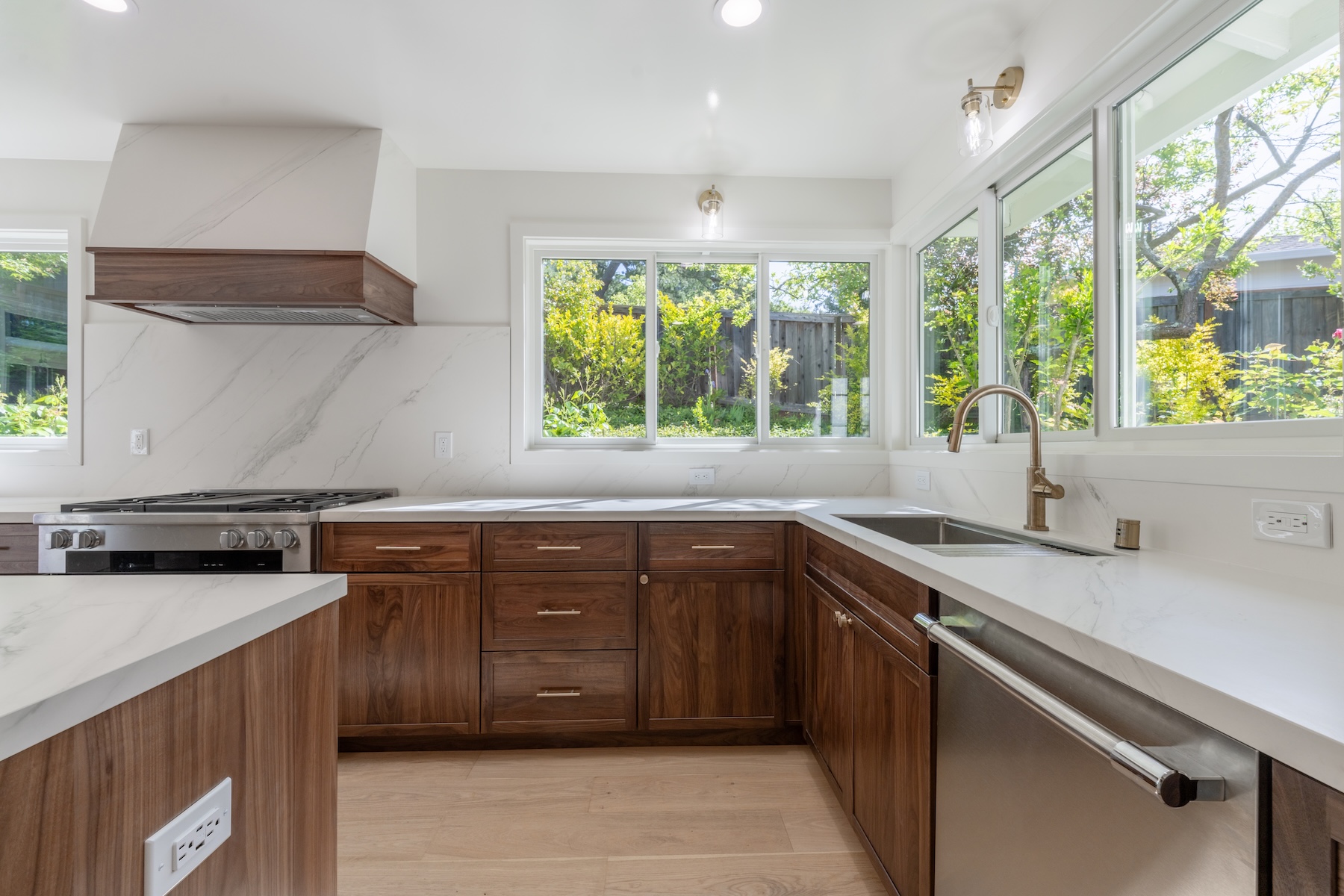
Pick furniture that fits your space. This is important for a balanced room layout design. When updating a room, consider pairing your new layout with a kitchen remodeling or bathroom remodeling project to maximize functionality.
Now focus on room arrangement. Make sure there is enough space to walk around easily.
A good design layout of room always includes clear pathways and avoids clutter.
Lighting improves both style and function. Use a mix of ambient, task, and accent lighting to complete your room layout and design.
To truly understand how to create functional layouts, you need to focus on how the space works in real life.
A functional room layout should include:
When all these elements come together, your room layout becomes practical and comfortable.
Different rooms need different room layout design approaches:
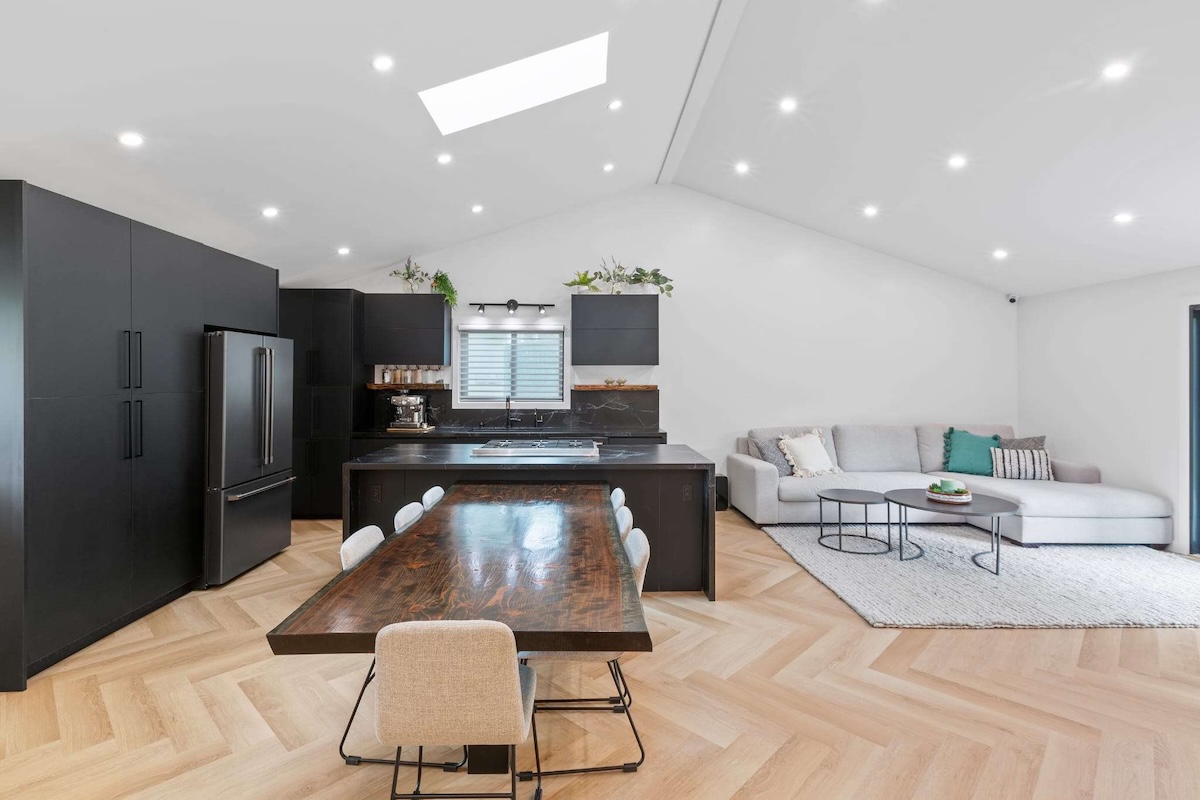
Create a seating area that encourages conversation. This is one of the most effective room arrangement styles.
Place the bed against the main wall to improve your room design layout and create a relaxing feel.
A smart design layout of room in the kitchen improves workflow, storage, and usability.
Set your desk near natural light. This helps create functional room layouts that support productivity.
Use flexible furniture like foldable desks or sofa beds. This is essential when learning how to design room layout for smaller homes.
A good room layout and design is not just about looks. It should feel balanced and comfortable.
Symmetry creates a clean look, while mixing styles can add personality. When working on your room design layout, balance heavy and light elements to avoid a crowded feel.

Lighting plays a big role in your room layout design.
Make sure your space includes:
Natural light is also important when you plan a room layout, so keep windows clear.
Decor items like rugs, pillows, artwork, and plants bring life to your room layout.
These finishing touches improve your room arrangement and make your space feel more welcoming.

Once your room layout design is complete, take a step back and review it.
Learning how to design a room takes time, so don’t be afraid to adjust things. As your needs change, update your room layouts to keep your space functional and fresh.
To plan a room layout, start by measuring your space and understanding its size. Next, define the purpose of the room, whether it’s for relaxing, working, or both. Then create a simple floor plan and test different room layouts. Finally, arrange your furniture in a way that allows easy movement and comfort. This step-by-step approach helps you create a practical room layout design.
The best way to create functional layouts is to focus on how the space will be used every day. Make sure there is enough space to move around, divide the room into clear zones, and choose furniture that fits the size of the room. A good room layout and design always balances comfort, space, and usability.
When learning how to design a room layout for a small space, use compact furniture and avoid clutter. Choose multi-functional pieces like storage beds or foldable desks. A smart room design layout can make a small room feel bigger and more open. Keep pathways clear and use light colors to improve the overall room layout.
When thinking about how to plan a room design, consider the room’s purpose, size, lighting, and furniture. These factors affect your final design layout of room. Always choose furniture that fits well and supports your daily needs. A well-planned room arrangement improves both style and function.
A good room layout is important because it affects how comfortable and usable your space feels. A well-planned room layout design improves movement, reduces clutter, and makes your home more enjoyable. When you understand how to plan a room and arrange it properly, you can create a space that looks good and works perfectly for your lifestyle.

We are a trusted and experienced General Contractor serving Walnut Creek, CA, and the East Bay Area.